Choosing an inspection system? Start with the inspection, not the microscope.
Most evaluations begin with the wrong question: which microscope should we buy? This guide flips that. Define what the inspection has to achieve first, and the right system becomes far easier to choose. Inside you’ll find a practical framework built from decades of industry experience across electronics, medical devices and precision engineering.
No cost · Takes 30 seconds · Get a Practical Guide

What You’ll Learn
✓ Compare stereo microscopes, digital systems, and 3D measurement tools
✓ Recommendations for your industry and application
✓ Case studies featuring real-world inspection challenges
✓ 5 critical factors to evaluate before buying
✓ Common mistakes that waste budget and time
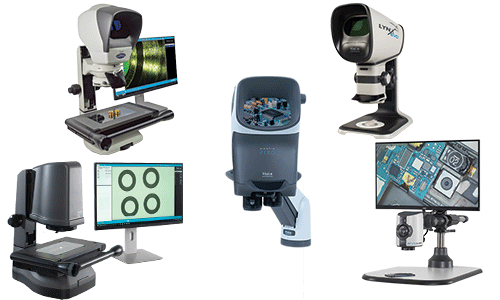
Grounded in decades of real industry experience, with a practical evaluation framework
This guide combines first-hand industry insight from Ganesh Ramakrishnan, Director, VE Quality & GM, Vision Engineering Pan Asia, with research and editorial analysis by Akanksha Sondhi Gaur, Senior Technology Journalist at Electronics For You (EFY).
The most common mistake we see is organisations selecting inspection technology without first establishing the objectives of the inspection process. Once you have identified the quality issue, then technology selection becomes much easier.
Vision Engineering has designed ergonomic optical inspection systems since 1958, with local application and service support through VE Quality in India.

Stop Risking Your Investment
The wrong inspection system leads to missed defects, operator fatigue, delayed shipments, and failed audits. This guide helps you choose right the first time.
Frequently Asked Questions
What is an optical inspection system? An optical inspection system enlarges a component through precision optics so an operator can judge its condition directly: surface finish, workmanship, contamination, solder quality and assembly errors that are hard to see with the naked eye. It supports a human quality decision rather than replacing it.
How is optical inspection different from metrology or automated inspection? They answer different questions. Optical inspection is about visual assessment: is this part acceptable to look at? Dimensional systems exist to check size and tolerance, and automated platforms exist to screen high volumes at speed. The guide explains how to decide which one the task in front of you actually needs.
What is an eyepiece-less optical inspection system? It presents the magnified optical image on a viewing surface instead of through binocular eyepieces, so operators keep a natural head and neck position. It still uses direct optical viewing; it is not a digital microscope. The main benefits are reduced fatigue over long shifts and the ability for several people to view the same part at once.
Optical vs digital inspection: which do I need? They tend to be complementary rather than competing. Optical viewing is strongest for real-time visual judgement; digital systems are strongest for capturing, storing and sharing images for documentation and traceability. The guide sets out when each adds the most value and how they work together.
What should I look at beyond magnification when choosing a system? More than the spec sheet suggests. Field of view, image quality, operator comfort, ease of adoption and how the system fits your wider quality workflow all affect real-world results more than raw magnification. The guide turns these into a practical evaluation checklist.
How much does an optical inspection system cost? Cost depends on the application, and purchase price is only part of the picture. Training, support, downtime and the cost of missed defects all count over the equipment’s service life. For pricing and options for your specific application, book an application consultation with VE Quality.